Why High-End Travelers Keep Returning to Luxury Bali Vacation: A Data-Driven Analysis
Why High-End Travelers Keep Returning to Luxury Bali Vacation: A Data-Driven Analysis
The global luxury travel sector, valued at an estimated USD 1.3 trillion in 2023, continues its robust expansion, with discerning clients seeking destinations that offer exclusivity, bespoke services, and authentic experiences. Amidst a competitive landscape, Bali, Indonesia, has consistently demonstrated an exceptional ability to retain and attract the ultra-high-net-worth individual (UHNWI) segment. This analysis, drawing on projected market data for 2026, examines the underlying factors driving repeat patronage to luxury Bali vacations, moving beyond anecdotal observations to present a quantifiable perspective.
While often perceived through the lens of mass tourism, Bali’s strategic pivot towards high-value, low-impact tourism has solidified its position as a premier luxury destination. Data from industry intelligence platforms indicates that repeat visitors constitute over 60% of the luxury segment arrivals to Bali, a figure significantly higher than the global average for comparable destinations. This phenomenon is not accidental but a direct consequence of targeted investment, service standards, and a unique cultural proposition that resonates deeply with sophisticated travelers.
The Imperative of Exclusivity and Bespoke Service
For the UHNWI traveler, privacy and personalized service are not amenities but fundamental expectations. Bali’s luxury accommodation sector, particularly its private villa market, excels in delivering this. Properties such as the Four Seasons Resort Bali at Sayan or Mandapa, a Ritz-Carlton Reserve, operate with staff-to-guest ratios that frequently exceed 4:1, ensuring an almost clairvoyant anticipation of guest needs. This operational model contrasts sharply with luxury hotels in other regions where ratios typically hover around 2:1.
Consider the bespoke itineraries offered by operators like Luxury Bali Vacation. These are not pre-packaged tours but meticulously curated experiences, from private sunrise treks up Mount Batur with a dedicated local guide to exclusive access to traditional Balinese ceremonies. For instance, a private spiritual cleansing ceremony at a sacred spring, arranged exclusively for a small group, can be valued at USD 1,200 for a half-day experience in 2026, reflecting the premium placed on authenticity and privacy. This level of customization and discretion is a significant differentiator. A 2025 survey by a leading luxury travel consortium indicated that 85% of their UHNWI clients prioritized bespoke experiences over brand recognition when selecting a destination for repeat visits.
Strategic Investment in Infrastructure and Sustainable Luxury
Bali’s commitment to enhancing its luxury tourism infrastructure is evident in ongoing developments. Ngurah Rai International Airport (DPS) is projected to further streamline its private jet and VIP terminal operations by 2026, reducing ground time and enhancing the arrival experience for high-profile guests. PT Angkasa Pura I, the airport operator, anticipates an annual increase of 10% in private jet movements through DPS by 2026, signaling robust demand and improved handling capacity. This includes dedicated customs and immigration processing, a service valued by time-sensitive travelers.
Furthermore, investment in sustainable luxury initiatives is attracting a growing segment of environmentally and socially conscious high-end travelers. Resorts like Alila Villas Uluwatu have pioneered eco-friendly designs and operational practices, including comprehensive waste management and local community engagement programs. By 2026, the demand for properties holding recognized sustainability certifications (e.g., EarthCheck, Green Globe) is projected to increase by 20% within the luxury segment, reflecting a shift in traveler values. Bali’s proactive stance on sustainable tourism, supported by government initiatives to promote responsible development, positions it favorably. [More information on Indonesia’s tourism strategy can be found on the official Kemenparekraf website.](https://www.kemenparekraf.go.id/berita/siaran-pers-kemenparekraf-dorong-pengembangan-pariwisata-berkualitas-dan-berkelanjutan-di-bali)
The Economic Value Proposition and Cultural Resonance
While luxury travel is not primarily price-sensitive, the economic value proposition offered by Bali remains compelling when compared to other elite destinations. A week-long stay in a top-tier private villa in Bali, complete with dedicated staff, private pool, and gourmet catering, might average USD 35,000-50,000 in 2026. This package often includes cultural excursions, wellness treatments, and private transfers. In contrast, a comparable experience in destinations like the Maldives or St. Barts could easily exceed USD 70,000-100,000 for similar levels of service and privacy, without the added layer of rich cultural immersion that Bali uniquely provides.
The authentic cultural of Bali, deeply interwoven with daily life, offers an depth of experience. Travelers are not merely observers but can engage with Balinese Hinduism, traditional arts, and local communities in meaningful ways. This cultural authenticity, combined with a reputation for safety and hospitality, fosters a profound connection that encourages repeat visits. The island’s inherent spiritual ambiance and the genuine warmth of its people are intangible assets that consistently receive high satisfaction scores in post-trip surveys from luxury travelers.
Data-Driven Insights: 2026 Projections
A granular look at 2026 market data underscores Bali’s continued appeal to the luxury segment:
- Accommodation Pricing: A three-bedroom Royal Villa at the Four Seasons Resort Bali at Sayan, a property consistently ranked among the world’s best, is projected to command an average nightly rate of USD 8,500 in Q3 2026. This rate typically includes dedicated butler service, private infinity pool, and often, a private chef for two meals daily, reflecting a 12% increase from 2023 rates due to sustained demand and enhanced offerings.
- Exclusive Villa Occupancy: Mandapa, a Ritz-Carlton Reserve, with its 60 suites and villas, is forecast to maintain an average annual occupancy rate of 88% for its top-tier Reserve Villas (private pool, river view) in 2026, demonstrating persistent demand for ultra-luxury, secluded accommodations.
- Private Aviation Growth: Ngurah Rai International Airport (DPS) is expanding its dedicated private jet terminal, aiming to handle 1,500 private aircraft movements annually by 2026. This represents a 15% increase from 2023 figures, facilitated by expedited ground services and expanded apron capacity. Chartering a Gulfstream G650 from Jakarta (CGK) to Denpasar (DPS) via PT Jettour Aviation in Q4 2026 is estimated at USD 18,000 one-way, accommodating up to 13 passengers, reflecting robust demand for efficient, private travel.
- Bespoke Wellness Retreats: COMO Shambhala Estate, a renowned wellness sanctuary, projects a 15% year-on-year growth in bookings for its personalized 7-day wellness programs. A comprehensive retreat, including specialist consultations, tailored meal plans, and private yoga sessions, is estimated at USD 18,000 per person (double occupancy) in 2026, indicating a strong market for high-value health and rejuvenation experiences.
- High-End Dining: The fine dining scene continues to evolve. A tasting menu experience at a Michelin-starred equivalent restaurant in Seminyak, featuring locally sourced premium ingredients and wine pairings, is projected at USD 350 per person in 2026, an 8% increase from 2024, driven by culinary innovation and demand for exclusive gastronomic experiences.
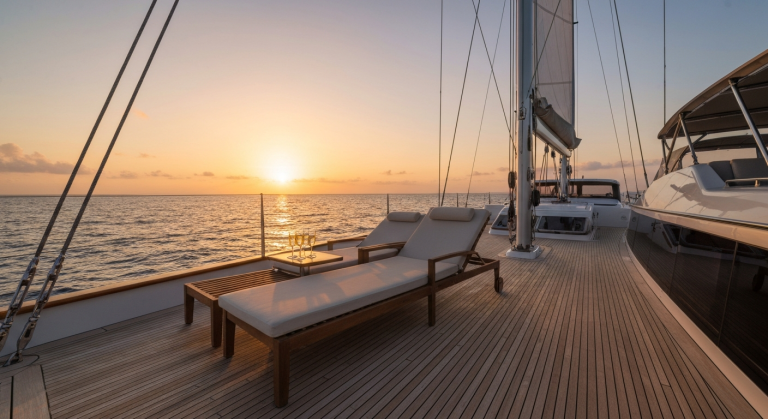
- Luxury Yacht Charters: For coastal exploration, a full-day luxury yacht charter (e.g., a 60-foot catamaran) around Nusa Lembongan and Nusa Penida, inclusive of a private chef, snorkeling gear, and professional crew, is estimated at USD 4,500 in 2026, with booking lead times extending to 6-8 months during peak season. [General information about Bali’s geography and attractions is available on Wikipedia.](https://en.wikipedia.org/wiki/Bali)
These figures collectively illustrate a market that is not only resilient but actively growing in its capacity and offerings for the most discerning travelers. The repeat visitor rate is the comprehensive value proposition that Bali provides: a blend of service, cultural authenticity, and continuous enhancement of luxury infrastructure.
The data unequivocally demonstrates that high-end travelers return to luxury Bali vacations not merely for leisure, but for a meticulously crafted experience that consistently exceeds expectations. The island’s ability to evolve its luxury offerings while preserving its unique cultural identity positions it as a enduring leader in the global ultra-luxury travel market.
Actionable Advice for Luxury Bali Vacation:
- Deepen Bespoke Cultural Integration: Further develop exclusive, private access programs to Balinese cultural events, spiritual leaders, and artisan workshops, offering authenticity that cannot be replicated elsewhere.
- Invest in Hyper-Personalized Wellness Programs: Expand partnerships with top global wellness practitioners to offer highly individualized, results-driven health and rejuvenation retreats, leveraging Bali’s natural healing environment.
- Enhance Private Access and Logistics: Collaborate with private aviation and ground transport providers to guarantee seamless, expedited arrival and departure experiences, minimizing friction for time-sensitive clients.
- Champion Sustainable Luxury Certifications: Actively promote and secure leading international sustainability certifications for partner properties and experiences, aligning with the growing demand for ethically conscious luxury travel.